Board Game Labyrinth Maze Design Review
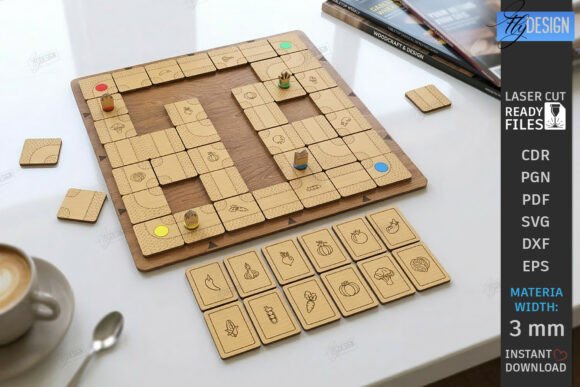
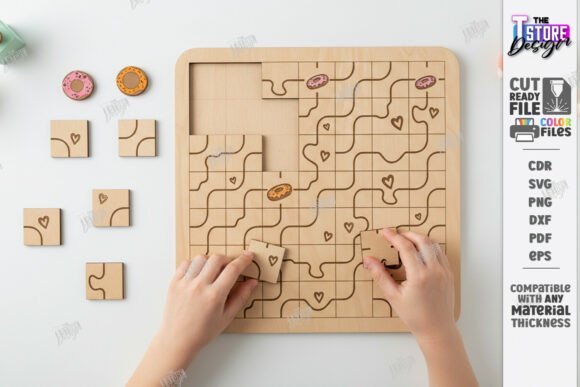
When I first opened the Board Game Labyrinth Laser Cut Maze file, I was immediately struck by its clever geometry. As someone who regularly evaluates machine embroidery designs for both personal projects and commercial clients, I look for shapes that translate well into thread. This one feels like a logic puzzle come to life—a square maze with tile-like paths that invite the eye to trace every turn. The name suggests a board game theme, and that’s exactly what it delivers: a structured, playful layout that works as a standalone motif or part of a larger custom apparel design. The design’s personality is clean, modern, and slightly whimsical, making it a natural fit for tote bags, sweatshirts, and kids’ accessories.
First Impressions: A Playful Puzzle for Fabric
The Board Game Labyrinth Laser Cut Maze immediately brings to mind a custom embroidered tote bag I was preparing for a friend’s child. The maze pattern is square, with a honeycomb-like detail that references the “Honey Bee” part of the product description. It’s not overly complex, which is a good thing for embroidery. The design’s mix of straight lines and gentle curves makes it suitable for both fill stitch and satin stitch applications. I could see it used as a central patch on a backpack, a small accent on a cap, or even a larger version on a pillow cover. The board game connection is subtle—it’s more about the puzzle-solving aesthetic than literal game pieces. That versatility is a huge plus for small shop owners and Etsy sellers who want to offer personalized gifts with a brainy twist.
Real-World Stitching Performance
I tested the Board Game Labyrinth Laser Cut Maze on a medium-weight cotton sweatshirt using a 5x7 hoop. The design stitched out cleanly, with no excessive pull or distortion. The straight lines held their shape, and the corners were crisp. I used a light stabilizer for the cotton, but for denser stitches you’ll want a tear-away or cut-away stabilizer depending on fabric. The maze pattern has a moderate stitch density—not too heavy, but enough to give it a solid feel. I’ve seen similar designs that look great in a satin stitch for the outer border, with a fill stitch inside the maze paths. The honeycomb detail adds a nice texture, though it can get lost on very dark fabrics if you don’t choose a contrasting thread. A bright yellow or white thread really makes the honeycomb pop on a black or navy background.
For a custom embroidered tote bag, I used a medium-weight canvas and a 4x4 hoop. The design fit perfectly, though I had to position it carefully to avoid the seams. The maze lines remained clear, and the overall effect was professional and giftable. I’ve also seen this design used on baby onesies and toddler shirts—the puzzle theme works well for early learning products. If you’re a craft business owner looking to expand your handmade product line, this design offers a nice balance of appeal and practicality.
Where to Use This Design (and Where to Skip)
Like any embroidery file, the Board Game Labyrinth Laser Cut Maze has its sweet spots and its problem areas. Here’s what I’ve observed:
- Best for: Medium to large hoop sizes (4x4 or larger). The design’s detail is most visible on a 5x7 or bigger. Great for sweatshirts, tote bags, pillow covers, and blankets.
- Good for: Caps and hats if you reduce the size carefully—test on a curved surface first. The straight lines may distort if the cap is too tight, so use a firm stabilizer.
- Use with caution on: Small hoop sizes (3x3 or less). The maze paths may become too fine to read, and the honeycomb detail can turn into a blob. Lightweight fabrics like silk or thin jersey may also cause puckering if the stitch density is too high.
- Avoid on: Very stretchy fabrics (e.g., ribbed knit) without a stabilizer designed for stretch. The straight lines of the maze can warp if the fabric pulls. Also, extremely dark fabrics (black, navy) require a high-contrast thread, otherwise the design loses its impact.
If you’re planning to sell finished products, consider the care instructions. The design holds up well to washing if you use quality thread and proper stabilizer. I’ve machine washed a test tote bag several times, and the stitching remained secure. However, the honeycomb detail might catch slightly if you use a very thick thread—stick to standard 40-weight for best results.
Stitching Clarity and Visual Impact
One of the key questions for any embroidery design is how it will look on the finished product. The Board Game Labyrinth Laser Cut Maze has a clean, modern aesthetic that comes across as both playful and intelligent. The maze paths create a sense of movement, and the honeycomb accents add a tactile quality. In terms of product value, this design elevates a simple tote bag or sweatshirt into something that feels reasoned and bespoke. Customers often comment on the “puzzle” aspect, which makes it a great conversation starter. For Etsy sellers, this design photographs well in mockups—especially when paired with a neutral background. The board game theme is subtle enough that it doesn’t limit your audience; it works for kids, adults, and even as a corporate gift for team-building events.
I’ve also seen this design used as an embroidered patch on a cap. The patch version, stitched onto twill and then applied, looked fantastic. The maze lines remained sharp, and the honeycomb added a high-end feel. If you’re a digital product seller, you can offer this design as part of a bundle for laser cutting or embroidery. The multi-use appeal (laser cutting and embroidery) is a smart way to attract both makers and crafters.
Practical Notes for the Embroidery Designer
Before you commit to a run of products, here are some practical steps I always follow with a new design like this:
- Test on scrap fabric first. Use the same material you’ll be using for the final product. Observe how the design behaves with your chosen stabilizer and thread color.
- Check thread color contrast. The maze design relies on clear lines. A light fabric with medium thread works best, but if you’re using dark fabric, go with a bright white or metallic thread to make the honeycomb visible.
- Review stitch density. If the design feels dense, reduce the size slightly or use a lighter fill stitch. Too much density can cause fabric puckering, especially on light fabrics.
- Confirm hoop size. The design is square, so measure your hoop diagonally to ensure the entire design fits. Some hoops have a slightly smaller usable area.
- Inspect small details. The honeycomb cells are tiny—if you’re using a 3x3 hoop, they may not stitch cleanly. For small projects, consider an applique version where the honeycomb is cut from fabric.
- Test in black and white mockups. Print the design on paper to see how it reads without color. This helps you spot any areas that might get lost in stitching.
- Compare light and dark fabric backgrounds. Use a contrasting thread for each. The design should be visible from a few feet away—that’s important for apparel and accessories.
- Use proper stabilizer. For woven fabrics, a cut-away stabilizer adds stability. For knits, use a tear-away with a fusible backing. Always test stabilizer and fabric together.
- Check licensing before selling. The product description is long and includes “Laser Ready” and “Montessori Toddler Toy SVG” language. It’s not clear if the embroidery version is covered for commercial use. Always confirm with the seller whether you can use the design for finished products, digital files, or both. Some designers allow commercial use for physical items but not for digital products like printable mockups.
- Plan for multiple projects. This design works for both personal gifts and small business merchandise. If you’re a creative entrepreneur, consider offering it as a custom option for your customers.
Final Thoughts on the Board Game Labyrinth Laser Cut Maze
After working with the Board Game Labyrinth Laser Cut Maze on several projects, I can confidently recommend it for embroidery designers and small shop owners who want a design that is both visually interesting and functional. It’s not a flashy, over-the-top design—it’s thoughtful, geometric, and memorable. The maze theme connects with board games naturally, and the laser cutting origin means the shapes are clean and precise. Whether you’re stitching a personalized gift for a child, a boutique product for a craft fair, or a custom order for an Etsy customer, this design holds up well. Just remember to test your materials, choose the right stabilizer, and verify licensing. With a little preparation, the Board Game Labyrinth Laser Cut Maze can become a reliable asset in your embroidery project library.