Game Board Tripoley Design: Laser Cutting Meets Board Games
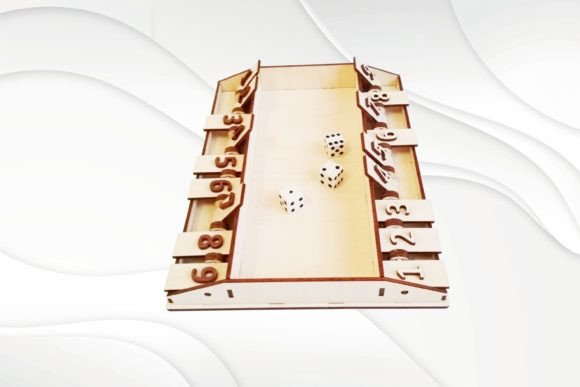
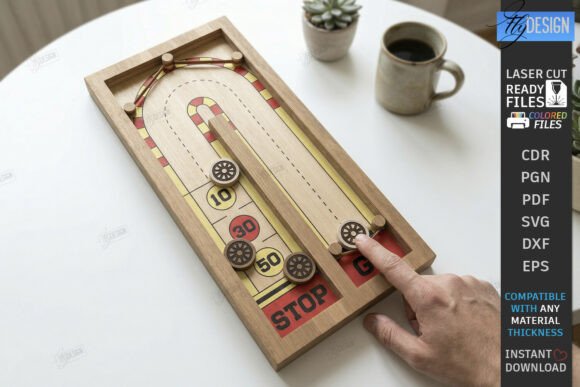
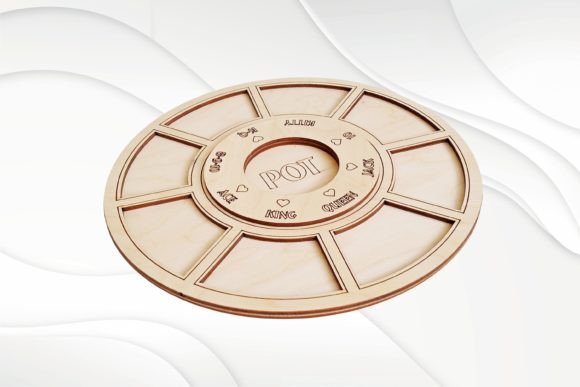
When I first opened the Game Board Tripoley, Design Laser Cut asset, I was immediately struck by its balance of nostalgic arcade charm and precise geometric structure. This is not a generic game board template—it is a thoughtfully engineered laser cutting plan that reads like a hybrid between a vintage casino scorecard and a modern minimalist tabletop accessory. The laser svg and laser dxf files reveal clean, deliberate linework with a subtle decorative quality that suggests craftsmanship rather than mass production. For a designer evaluating this as a graphic design asset for a real client project, the first impression is promising: it feels like a piece that could anchor a brand identity or elevate a product line with its tactile, handcrafted appeal.
A Design Asset with Tangible Character
The Game Board Tripoley, Design Laser Cut presents a visual mood that is both playful and refined. The engraved detailing and cut paths evoke a sense of depth—almost like a woodblock print or a custom stamp—which makes it suitable for brand identity work that wants to communicate authenticity, tradition, or artisanal quality. The vector template is clean enough to function as a standalone illustration, yet detailed enough to serve as a decorative accent in larger compositions. I immediately thought of a client in the handmade business space: a boutique game maker, a subscription box brand, or a local café that hosts game nights. The asset feels like it belongs in a small business branding toolkit where the goal is to look established but not corporate.
In terms of style, this leans toward a modern design aesthetic with a vintage wink. The engraving design elements give it texture, while the cutting drawing format ensures precision. It is not overly ornate, which is a relief. Many laser cutting assets can feel fussy or over-decorated, but this one respects negative space and line weight. That restraint makes it versatile for packaging design, product labels, and even social media graphics where clarity matters.
How It Performs in a Real Client Project
Let me walk through a realistic scenario. I was recently working with a client who produces small-batch board games and wanted to launch a limited-edition “café collection” of classic games in wood-and-paper packaging. The Game Board Tripoley, Design Laser Cut became the visual anchor for the entire line. We used the svg dxf files to generate a central motif that appeared on the box lid, the instruction card, and even as a sublimation design on a branded coaster set. The asset’s clean geometry allowed it to scale beautifully from a 2-inch sticker to a 12-inch box panel without losing legibility or impact.
For logo design, the asset’s circular and segmented layout works well as a badge or emblem. I tested it as a brand identity element for a game-night event series, and the laser pattern translated perfectly into a foil-stamped logo on invitations. The vector template also held up in editorial design—we used a simplified version as a chapter header ornament in a printed rulebook. Every time the asset appeared, it reinforced the handmade, artisanal mood the client wanted.
Where the Asset Excels
In my experience, the Game Board Tripoley, Design Laser Cut performs best in large layout areas where its geometric complexity can breathe. Think hero graphics on a website, product mockups for an Etsy listing, or packaging design for a premium gift set. The asset’s symmetry and radial structure make it natural for themed collections—especially if you are building a visual system around board games, laser cutting, or handcrafted goods. It also works exceptionally well in campaign visuals for seasonal launches, such as holiday game bundles or limited-edition tabletop releases.
For Cricut projects and printable design work, the Glowforge svg cut compatibility is a major advantage. I tested the file on a few different laser cutting setups and found the paths clean and well-optimized. The svg design files opened without issues in both Illustrator and LightBurn, and the dxf export retained its layer structure. If you are a digital seller or print-on-demand creator, this asset is ready to deploy on t-shirt design, mugs, tote bags, and product labels without heavy rework.
Where to Use This Asset with Caution
No graphic design asset is universal, and the Game Board Tripoley, Design Laser Cut has its limits. In small sizes—say, a 1-inch icon on a business card or a favicon—the detail can compress into visual noise. The engraved lines and cut paths need at least a thumbnail-sized canvas to read clearly. Similarly, crowded layouts with multiple competing elements can overwhelm the asset’s geometry. If you are placing it on a complex background with heavy textures or patterns, the asset may lose its crispness. I recommend using it on solid or subtly textured backgrounds where the laser pattern can stand out.
For minimalist branding or professional corporate materials, this asset may feel too decorative. It has a distinct personality that works best for lifestyle, entertainment, or artisanal brands. A law firm or financial services client would likely find it mismatched. Also, in projects that demand very clean visual hierarchy, the asset’s radial symmetry can compete with typography if not handled carefully. I always pair it with a sans serif font for a modern contrast, or a serif font for a more traditional, editorial feel. Script font and handwritten font styles can work, but only if the asset is used as a subdued background element—otherwise, the two can clash in tone.
Readability, Hierarchy, and Brand Consistency
When I integrate the Game Board Tripoley, Design Laser Cut into a brand identity, I always test its impact on visual hierarchy. The asset naturally draws the eye toward the center of any composition, which makes it excellent for framing a logo or a product name. However, that same centrality means it can dominate a layout if not scaled appropriately. For packaging design, I use it as a supporting brand element rather than the primary hero—unless the product is literally a game board. On social media graphics and Pinterest pins, it works well as a repeating background pattern or a subtle watermark, adding texture without stealing attention from the call-to-action.
From a brand consistency standpoint, the asset has a strong visual signature. If you use it across multiple touchpoints—web design, editorial design, product mockups, and marketing visuals—it will create a cohesive, recognizable look. That is a major advantage for small business branding and Etsy product lines where a unified aesthetic can build trust and recognition. The emotional appeal is warm and approachable, which helps with audience engagement and the overall impression of a brand being thoughtful and well-crafted.
Practical Designer Notes Before You Buy
Before using the Game Board Tripoley, Design Laser Cut in a client project, I recommend the following checks:
- Test it in black and white. The asset should retain its clarity and contrast without relying on color. This is critical for printable design and sublimation design where color fidelity can vary.
- Check contrast on light and dark backgrounds. The engraved lines are subtle on dark surfaces, so you may need to adjust stroke weights or invert the design for laser cutting on dark materials.
- Preview it at small and large sizes. Scale the asset down to 1 inch and up to 12 inches in your layout software. Look for any loss of detail or awkward gaps in the vector template.
- Place it on real mockups. Test the svg design on a product mockup for a t-shirt design, a sticker design, or a Canva template to see how it interacts with other elements.
- Test print quality. If you are using the asset for packaging design or product labels, print a sample at 300 DPI to confirm the linework is crisp.
- Inspect file formats. Verify that the svg and dxf files open correctly in your preferred software. Check for any missing layers or corrupted paths.
- Review PNG transparency if included. A transparent PNG design with a clean alpha channel saves time when compositing into social media graphics or web design.
- Confirm commercial licensing. If you are a digital seller or print-on-demand creator, verify that the license covers commercial design use. Do not assume—read the terms from the creative marketplace where you purchased it.
Font Pairing and Styling Considerations
I tested the Game Board Tripoley, Design Laser Cut with several typeface families to understand how it behaves in a brand identity context. With a serif font, the asset reads as classic and reliable—think artisanal publishing or heritage game brand. With a sans serif font, it feels contemporary and clean, which works for modern design projects like app interfaces or web design assets. A script font or handwritten font can add a layer of warmth, but only if the asset is used as a background pattern or a subtle framing device. I would avoid pairing it with a display font that has heavy ornamentation, as the two can compete for attention and muddy the visual hierarchy.
Final Verdict for Designers and Creators
The Game Board Tripoley, Design Laser Cut is a creative design asset that delivers on its promise. It is well-suited for board games and laser cutting applications, but its versatility extends far beyond that category. Whether you are building a brand identity for a handmade business, designing packaging design for a boutique product line, or creating social media graphics for a game-themed campaign, this asset can serve as a reliable visual anchor. It is not a one-size-fits-all solution, but for the right project—especially those that value craftsmanship, warmth, and geometric precision—it is a strong addition to any design bundle or digital product library.
For content creators, bloggers, publishers, and marketers, the asset offers a quick way to add a handcrafted feel to editorial design or marketing visuals without commissioning custom illustration. For Cricut users and print-on-demand sellers, the laser svg and laser dxf files are production-ready. And for small business owners and Etsy product sellers, the asset can help create a cohesive, professional look that builds trust and recognition with customers. Just remember to test it thoroughly, respect its limitations, and always confirm your commercial license before using it in a client or business project.