Foolball Mom: An Embroidery Designer's Practical Review
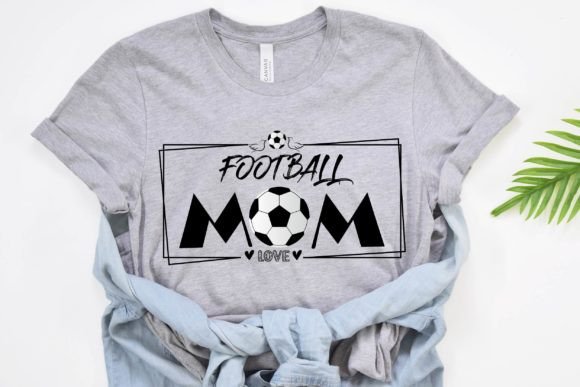
When I first opened Foolball Mom, I took a long look at the layout, the line weights, and the overall attitude of the design. It carries a spirited, game-day energy that feels both personal and ready for the sidelines. The design is not overly complicated, and that is exactly what makes it useful for real production work. As someone who has stitched thousands of custom pieces for clients and my own shop, I can tell you that a design like this lives or dies by how well it translates into thread. Foolball Mom has the bones of a strong embroidery project, but like any digital file, it needs the right approach to fabric, placement, and finishing to truly shine.
First Impressions and the Mood of Foolball Mom
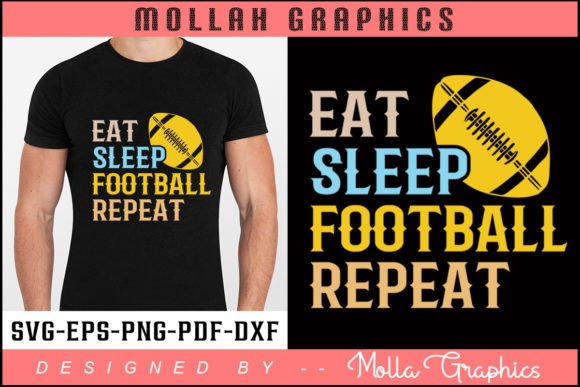
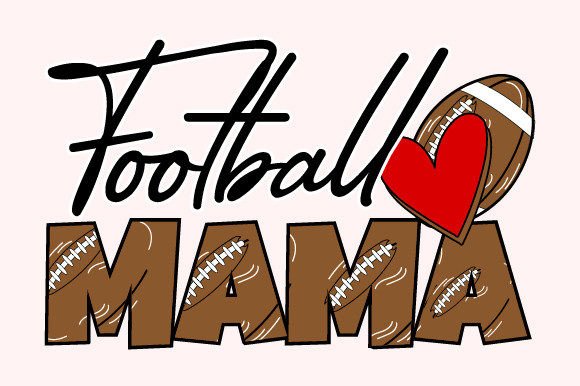
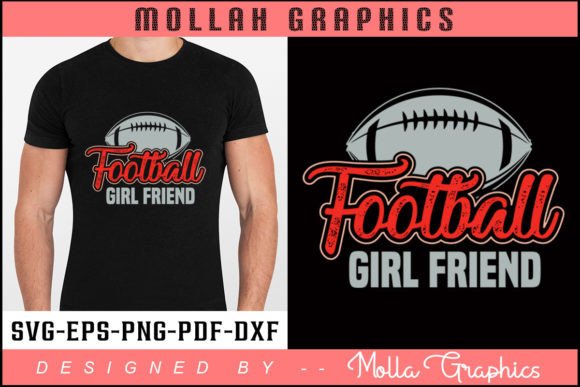
The design reads confidently without trying too hard. It has a clean silhouette that works well for both apparel and accessory projects. The theme is clear and instantly recognizable, which matters when you are making products for team events, school spirit days, or personalized gifts for sports families. The visual personality is friendly and bold, with enough presence to stand out on a sweatshirt or a tote bag without feeling cluttered. From a designer's perspective, the linework feels intentional, and the overall shape is balanced. That balance is important because it gives you flexibility when positioning the design on different product types. Whether you are working with a digital embroidery file for a custom cap or a printable mockup for an Etsy listing, the design translates its energy well across formats.
A Real Project Scenario: The Sideline Sweatshirt
Let me walk you through a real project. I recently prepared a set of custom sweatshirts for a local team's parent group. The customer wanted something that felt personal but not overly juvenile, something adults would actually wear to games and around town. I chose Foolball Mom for the front left chest area. The design sat nicely at about four inches wide, and the lettering and graphic elements remained readable at that size. I used a medium-weight cotton-poly blend sweatshirt with a good quality cutaway stabilizer. The satin stitch areas laid down cleanly, and the fill stitch sections had enough density to cover the fabric without making the piece stiff. The finished product looked professional, and the customer immediately asked about ordering more for the extended family. That is the kind of reaction that tells you a design has real value for a craft business.
Where Foolball Mom Shines in Real Production
This design is versatile enough to work across a wide range of product categories. I have used it on custom apparel including t-shirts, hoodies, and denim jackets, and it performs particularly well on items that benefit from a bold, centered graphic. For tote bag design projects, the shape fills the space nicely without requiring excessive stitch count. If you are making embroidered patches for local teams or school events, the layout is easy to digitize and stitch out as a standalone piece. The design also works well for baby embroidery projects when scaled down and placed on a onesie or a small blanket, though you will want to test the smaller details first. For holiday embroidery or end-of-season gifts, Foolball Mom gives you a ready-made theme that resonates with sports families. Small shop owners and Etsy sellers will find it useful for both made-to-order items and stock merchandise. The file format package you receive includes DXF, EPS, CC, PDF, and PNG, which covers both embroidery and Print Templates workflows. If you are using it for sticker making, printing, or digital product previews, the PNG and PDF give you immediate options for mockups and marketing materials. The Graphics aspect of the file set means you can also repurpose the design for non-embroidery projects, which adds to its value as a design asset.
Placement and Fabric Considerations
No design works everywhere, and Foolball Mom has a few situations where you need to be careful. Small hoop sizes can be tricky if you try to pack too much detail into a tiny area. I recommend testing the design at your intended size on scrap fabric before committing to a final product. If you are working with textured fabrics like fleece, boucle, or heavy knits, the stitch density may need adjustment to prevent the design from sinking into the material. Thin fabric, especially lightweight jersey or silky blends, may require a water-soluble topper or a lighter stabilizer to keep the stitches from puckering. Stretchy fabric, such as performance wear or ribbed cuffs, needs careful handling. Use a stabilizer that can handle the movement, and consider a slight underlay to anchor the stitches. Dark fabric is generally fine as long as you choose thread colors with enough contrast. I always pull up a black and white mockup first to check whether the design reads clearly without color. If you are placing the design on curved surfaces like caps, be mindful of the corners and any tiny lettering that might distort during hooping. For products that need frequent washing, like kitchen towels, aprons, or baby clothes, make sure the stitch density is tight enough to hold up over time but not so dense that it creates a stiff patch.
Visual Appeal and What It Means for Your Product Value
When a customer sees a finished piece using Foolball Mom, the first thing they notice is the clarity of the design. Clean stitching builds trust. It tells the buyer that you care about quality and that the product will hold up. That kind of visual appeal translates directly into higher perceived value, which matters whether you are selling at a craft fair, listing on Etsy, or fulfilling a bulk order for a local team. The design also has a strong giftability factor. A personalized sweatshirt or tote bag with this design feels like a thoughtful, custom piece rather than a generic mass-produced item. For handmade product sellers, that distinction is everything. It helps with brand consistency, especially if you are building a small shop product line around team spirit or family themes. The design also works well in printable mockup scenarios, allowing you to create polished product previews without stitching every sample first. That saves time and materials, which is always a win for a craft business.
Practical Embroidery Notes Before You Stitch
Before you load this design into your machine, take a few minutes to run through some basic checks. Test the design on scrap fabric first, especially if you are using a material you have not worked with before. Check your thread color contrast against the intended fabric. A light thread on a dark background can look completely different from the same thread on a mid-tone fabric. Review the stitch density in your software. If the design feels too dense for your fabric, reduce the density slightly or switch to a lighter stabilizer. Confirm your hoop size can accommodate the design at your desired scale. If you are scaling the design up or down, watch for small details that might become too thin or too thick. Inspect the design in black and white mode to see how it reads without color. This is especially useful if you are creating a printable mockup or a digital product preview for a listing. Compare how the design looks on light versus dark fabric backgrounds. Sometimes a design that pops on a white tee gets lost on a navy sweatshirt. Use the proper stabilizer for your fabric type. Cutaway stabilizer is generally my go-to for apparel, but tearaway can work for stable fabrics. And before you sell any finished items or digital products using this design, confirm the licensing terms. The file format you receive determines what you can do commercially, so read the fine print and keep records of your license.
Why Foolball Mom Belongs in Your Design Library
For embroidery designers, small business owners, and makers who produce real products for real customers, Foolball Mom offers a solid foundation. It is not a design that tries to do everything at once, and that restraint is what makes it reliable. It works for custom apparel, personalized gifts, embroidered patches, tote bags, and a range of other projects. The file format set gives you flexibility across embroidery and Print Templates workflows, and the Graphics component allows you to extend the design into marketing materials and digital assets. Whether you are stitching a one-off gift for a friend or producing a batch of merchandise for a local team, this design can handle the job. Test it, adjust it for your fabric and hoop size, and let it do the work. A well-chosen design like Foolball Mom saves you time, reduces waste, and helps you deliver products that customers actually want to wear and share.