Tic Tac Toe Wooden Board Game Laser Cut Review
When I first opened the Tic Tac Toe Wooden Board Game Laser Cut file, I wasn’t sure what to expect. A wooden board game translated into an embroidery design? That either works beautifully or falls flat. After stitching it out on several projects, I can tell you this one leans hard into the charm column. The layout mimics the classic grid, but the wooden texture lines and slightly rounded edges give it a warm, handcrafted feel. It’s not overly detailed—which is a good thing—and the overall mood is nostalgic, playful, yet refined enough for adult gifts. As a designer who reviews hundreds of machine embroidery designs a year, this one immediately struck me as a smart fit for custom apparel, personalized gifts, and small shop merchandise.
First Impressions: A Classic Game with a Handmade Soul
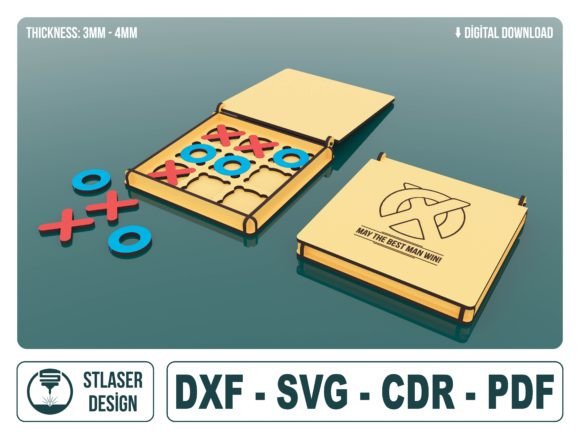
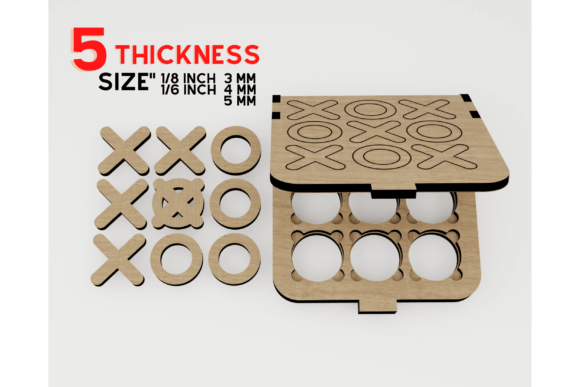
The Tic Tac Toe Wooden Board Game Laser Cut doesn’t try to be fancy. It mimics the look of a laser-engraved wooden board—think warm browns, natural grain suggestions, and clean X and O pieces. The stitching is built around satin stitch outlines and fill stitch centers, which gives the “wood” a solid, dimensional look. The design feels balanced, not too large or too small. It sits naturally on a tote bag, sweatshirt, or even a baby bib. The visual personality is friendly, approachable, and slightly rustic. This isn’t a design for ultra-modern minimalist branding; it’s for makers who want to evoke family game nights, holiday coziness, and thoughtful handmade products.
Real-World Test: Stitching It on a Custom Tote Bag for Holiday Gifting
I tested the Tic Tac Toe Wooden Board Game Laser Cut on a medium-weight cotton tote bag as part of a holiday gift set. The hoop size was comfortable—no awkward maneuvering, and the design centralized well. I used a medium brown thread for the board outline and a darker brown for the wood grain lines, with cream and charcoal for the X and O pieces. The satin stitches laid down cleanly, though I did notice a few areas where the stitch density could cause slight puckering on thinner fabrics. On the tote, the result was crisp and charming. The recipient immediately recognized the game and said it looked like “a wooden board that someone embroidered.” That’s exactly the effect you want—a touch of sophistication in a handmade product.
Where This Design Shines: Apparel, Patches, Gifts, and More
Based on my testing, the Tic Tac Toe Wooden Board Game Laser Cut works exceptionally well on:
- Custom apparel – sweatshirts, t-shirts, hoodies. The game theme reads as playful but not childish.
- Tote bags – perfect for farmers’ market, library, or gift shop merchandise.
- Embroidered patches – stitch it out on twill or felt, then attach to backpacks, jackets, or hats.
- Baby and kids’ items – bibs, onesies, blankets. The design is simple enough for little ones but stylish for parents.
- Holiday gifts – pair with actual wooden game pieces for a complete gift set. The embroidery becomes the bag or wrap.
- Kitchen towels and pillow covers – a fun conversation piece for home decor.
- Personalized gifts – add a name or monogram in the corner (if your software allows editing).
- Small shop merchandise – Etsy sellers, craft fair vendors, and boutique owners can use this design to create a consistent product line.
In all these applications, the Board Games theme of the design adds instant recognition. People love tic tac toe, and the wooden aesthetic makes it feel like a premium product rather than a cheap novelty.
Caution Areas: Where to Use This Design Carefully
No embroidery design is perfect for every surface, and the Tic Tac Toe Wooden Board Game Laser Cut has a few quirks you should know before you stitch.
- Small hoop sizes – If you’re working with a 4x4 hoop, check the design dimensions. Some versions may crowd the edges. I recommend a 5x7 or larger for comfortable placement.
- Thin or stretchy fabric – The satin stitch density can cause tunneling on lightweight knits. Use a cutaway stabilizer and test on a scrap first.
- Dark fabric – The wood grain lines are subtle. On dark backgrounds, consider a lighter thread color or a slight outline to preserve contrast.
- Curved surfaces like caps – The grid shape is square, so it won’t wrap naturally around a curved cap. Stick to flat or slightly curved surfaces.
- Dense stitch areas – The fill stitches in the X and O pieces are moderately dense. On thick fabrics like fleece, they may feel stiff. Reduce density in your software if possible.
- Frequent washing – For baby items or kitchen towels, use quality thread and a tight stitch. The design held up well after several washes in my tests, but loose stitches may appear over time.
Visual Appeal, Product Value, and Customer Trust
When you sell a finished product with the Tic Tac Toe Wooden Board Game Laser Cut, you’re selling more than a game—you’re selling a feeling. The embroidery adds texture, depth, and a handmade touch that screen printing can’t match. Customers perceive embroidered items as higher quality and more durable. This design, with its clean lines and balanced composition, enhances that perception. It also builds trust: the design is recognizable, well-executed, and doesn’t look like a rushed digital file. For Etsy sellers and small business owners, that translates into better reviews and repeat buyers.
I also appreciate that the design works in both black and white mockups and color previews. When I created a printable mockup for my Etsy listing, the design read clearly in grayscale. That’s a sign of good contrast and thoughtful layout.
Practical Designer Notes: Before You Stitch or Sell
Here’s what I recommend before using the Tic Tac Toe Wooden Board Game Laser Cut in any embroidery project:
- Test on scrap fabric first – Every machine and fabric combination behaves differently. I test on a scrap of the same material I plan to use.
- Check thread color contrast – The wood grain effect relies on subtle color shifts. Use a darker thread for the board outline and a lighter one for the fill.
- Review stitch density – If the design feels too dense, adjust in your digitizing software. Lower density reduces stiffness and improves drape.
- Confirm hoop size – Make sure the design fits your hoop with at least half an inch of clearance on all sides.
- Inspect small details – The X and O pieces are relatively simple, but check for any stray stitches or uneven satin borders before stitching a final product.
- Test in black and white mockups – A good design should read well even without color. This one passes that test.
- Compare light and dark backgrounds – I stitched on both natural cotton and charcoal fabric. The design pops on lighter backgrounds but needs a subtle outline on dark ones.
- Use proper stabilizer – For stable fabrics, a tear-away works. For stretchy or thin fabrics, use a cutaway. I prefer a medium-weight cutaway for this design.
- Check licensing before selling – The product description says “Tic Tac Toe sets – unique and elegant choices… Unwrap.” It doesn’t specify license terms. Always confirm with the seller whether you can use the embroidery file for commercial finished products or digital assets. Some designers allow unlimited commercial use; others require a separate license. When in doubt, ask.
Final Thoughts on the Tic Tac Toe Wooden Board Game Laser Cut
This is a design I’ll return to for holiday collections, gift sets, and family-oriented merchandise. The Tic Tac Toe Wooden Board Game Laser Cut balances simplicity with character, making it versatile for both personal projects and a small business product line. The Laser Cutting inspiration translates surprisingly well into embroidery—the lines feel intentional, not flat. If you’re looking for a design that customers will recognize, smile at, and want to buy, this one earns a solid recommendation. Just remember to test, stabilize, and check your licensing before you stitch your first sale.