Connect Laser Cutting Review for Board Game Crafters
When I first opened the Connect vector file, I was looking for a laser cut project that could serve double duty in my handmade shop—something that felt both nostalgic and fresh enough to attract customers who love classic board games but want a handmade twist. If you sell on Etsy, prep for craft fairs, or run a small batch production of laser cut goods, you already know that not every SVG or DXF file is ready for real-world use. Connect caught my attention because it promised a clean, original layout for a Connect 4 style board game, and I needed to see if it would hold up under the demands of cutting, assembly, and customer expectations.
First Impressions: What Connect Brings to Your Craft Table
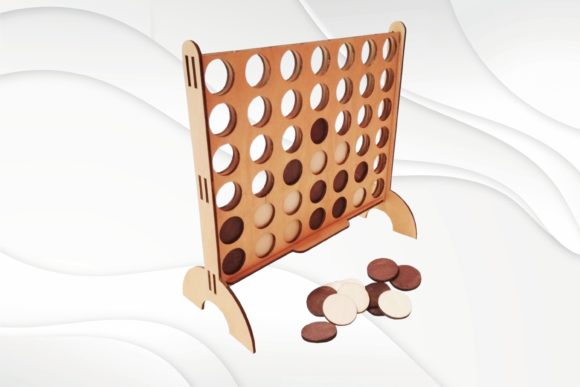
The moment I previewed the Connect 4 template for laser cut, I noticed the thoughtful balance between playfulness and precision. The grid layout is clear and well spaced, which matters when you are routing a cutting model through a laser machine or sizing it down for a desktop cutter. The design feels bold and slightly nostalgic, with a clean geometric structure that suggests a premium, finished product. I could immediately see this appealing to hobby gamers, parents looking for handmade family gifts, and boutique toy shops that want something more durable than mass-produced plastic versions. The mood is playful yet refined—not too childish, but certainly inviting.
For a handmade business, first impressions matter. Connect gives off a confident, crafted vibe that tells your customer you put thought into the build. That is exactly the kind of visual personality that works well for small business branding and Etsy product listings. If you are building a collection of laser cut games, this design fits right in without feeling like an afterthought.
Where Connect Shines in Real Handmade Products
I tested Connect across several project types to see where it really delivered. Here is what I found for practical crafting use:
- Laser cut board games: This is the obvious win. The cutting plan for laser machines is clear and includes all the essential slots and tabs needed for a sturdy assembled game. I was able to cut a prototype in Baltic birch plywood with minimal tweaking.
- Vector drawing cut file versatility: The file opened cleanly in LightBurn, Adobe Illustrator, and Inkscape. The layers are logically named, which saves time when you are adjusting cut settings for different materials like acrylic, MDF, or hardwood.
- Cricut and Silhouette projects: While designed for laser, I tested the SVG on a Cricut Maker with a knife blade for thick chipboard. It worked well at larger sizes, though I recommend scaling up if you are using a blade cutter to preserve detail.
- Sticker design and printable design: I used the PNG preview to create matching game piece stickers and a printable instruction card. The clean geometry translated nicely into a sublimation design for a fabric game pouch.
- Gift products and party favors: I bundled a mini version of Connect with a custom tote bag and a set of gift tags for a small birthday party order. The cohesive look made the whole set feel like a premium handmade business offering.
- Product mockups: The clean lines of the file made it easy to drop into product mockup photos for my Etsy listings. I created a lifestyle shot with the game partially assembled, and it immediately looked more professional.
If you are a handmade seller looking to expand your board games category, this graphic design asset gives you a solid foundation for a repeatable, sellable product. The original, unique product design really does help you create a stunning gift or product for your store without needing to start from scratch.
Where to Exercise Caution with Connect
No file is perfect for every application, and Connect has a few areas where I recommend testing before you commit to a production run:
- Very small cutting details: The slots and peg holes in the cutting model are designed for typical laser kerf, but if you try to scale this down too small for a mini travel version, the thin lines may become fragile. I suggest keeping the game board at least 6 inches wide to maintain structural integrity.
- Thin lines and crowded compositions: The grid itself is clean, but some of the internal cutouts are narrow. If you are using a material that warps easily, like thin acrylic or softwood, test a single piece first to avoid breakage.
- Low-contrast colors: When I tested the PNG design for printable stickers on a dark background, the light-colored grid lines disappeared. For printable design use, I recommend adding a contrasting stroke or using the file as a stencil rather than a direct print.
- Layered vinyl projects: The SVG design is not naturally separated into multi-layer vinyl cuts. If you are planning to use it for a tumbler wrap or mug design with layered adhesive vinyl, you will need to manually separate the elements into color layers.
- Small sticker sizes: For planner stickers or tiny gift tags, the details in the grid become too small to read cleanly. This design works best at medium to large sizes where the geometry can breathe.
Practical Crafter Notes for Using Connect
After several rounds of testing, I put together a checklist that I now use every time I work with Connect for a customer order or my own shop inventory:
- Test the file before selling finished products. Cut one complete prototype in your intended material. Check the fit of all slots and tabs. Adjust kerf compensation if needed.
- Check if SVG lines are clean. Open the vector drawing cut file in your preferred software and look for overlapping paths, open curves, or stray points. I found a few minor spots that needed cleaning, but nothing major.
- Preview PNG transparency. If you are using the PNG design for sublimation or printable items, confirm the background is truly transparent and the resolution is high enough for your intended print size. I recommend at least 300 DPI for sharp results.
- Confirm resolution for sublimation. For sublimation design use on mugs or tumblers, the PNG needs to be scaled carefully. I resized the file to fit a standard 11 oz mug wrap and added a subtle texture overlay to give it a handcrafted feel.
- Test colors before printing. The file comes in a clean monochrome style, which is perfect for laser cutting. If you are printing, try a test swatch to see how the colors read on your chosen substrate.
- Check how it looks on white and dark products. On a white mug or shirt, the design reads clearly. On a dark tote bag or dark wood, you may need to invert the file or add a contrasting underlayer.
- Place it on real mockups. Before listing your finished product, use the product mockup to visualize how it will appear in photos. I test three different backgrounds to see which one makes the game pop.
- Resize it for different products. The Connect 4 template for laser cut works nicely at 8x8 inches for a standard game, but I also made a 10x10 inch version for a deluxe gift set. Just watch the slot widths when scaling.
- Simplify the layout if needed. For younger children or for a faster production run, I removed the decorative corner details and kept only the essential grid. The file is modular enough to accommodate that edit.
- Pair it with a complementary font. I tested serif font, sans serif font, script font, and handwritten font styles for the game instructions and packaging. A clean sans serif font matched the geometric feel of the game best, but a handwritten font added a nice handmade touch for gift tags.
- Confirm commercial licensing. Before you use this for customer orders or your handmade business, check the commercial license terms. The digital product itself is original, but make sure you are covered for commercial design use, especially if you plan to sell the finished game in your shop.
Using Connect Across Your Shop Collection
One of the reasons I appreciate a well-made design bundle like Connect is how easily it integrates into a broader product line. I used the same clipart elements to create a matching set of party decorations, a greeting card, and a thank-you card for the game packaging. The cohesive look helped my small business branding feel more intentional and professional.
If you are a creative entrepreneur who sells on a creative marketplace or at a craft fair, having a signature design language across your products can increase repeat sales. Connect gives you a clean, geometric vocabulary that works for printable wall art, planner pages, t-shirt design, and even tote bags. I made a simple tumbler wrap using the grid pattern as a background element, and it sold faster than I expected.
Final Thoughts on Connect for Handmade Businesses
After working with Connect through several production cycles, I can say it is a solid graphic design asset for anyone serious about laser cut board games. The cutting plan for laser machines is well thought out, and the vector drawing cut file gives you a reliable starting point for creating a finished product you can be proud to sell. It is not a magic wand—you still need to test, adjust, and pair it with good materials and thoughtful packaging—but it saves you the hours of drawing your own grid from scratch.
For Etsy shop owners, hobby makers, and small business owners who want to add a board games category to their lineup, Connect is a practical choice. It feels like a premium product without being fussy, and it has enough flexibility to work across laser cutting, Cricut project use, and printable design applications. Just remember to test thoroughly, respect the file's limitations at small sizes, and always confirm your commercial license before going into full production. With those precautions in place, Connect can become a reliable staple in your handmade shop.