Maze Game in 3 Floors: Laser Cutting for Board Game Sellers
When I first opened the Maze Game in 3 Floors, Design Laser Cut file, I immediately saw its potential for a specific kind of online shop. This is not a generic clipart set. It is a purpose-built laser cutting pattern that feels like a complete project rather than just a decorative element. The layered floor concept gives it a dimensional quality that many board game designs lack. As someone who has reviewed hundreds of graphic design assets for commercial use, I can tell you that this one stands out because it solves a real problem: how to create a playable, tactile game that looks premium in a product listing.
The laser svg format is clean and well-structured. The three floors are distinct, and the cut drawing is precise enough that you could take it straight to a Glowforge or similar machine without extensive editing. For a digital product creator, that is a huge time saver. The ready laser cut template feels like a finished blueprint, not a rough sketch. That level of polish matters when you are selling to customers who expect a seamless making experience.
First Impressions and Niche Appeal
This design carries a mood that is both playful and architectural. The maze concept invites curiosity, while the three-floor structure adds a mechanical, puzzle-like charm. It is not overly cute or childish. Instead, it leans toward a modern, handmade aesthetic that would appeal to small business branding for game shops, toy makers, or educational product lines. The visual personality is balanced between fun and precision, which makes it versatile for both kids and adults.
If you are building a design bundle for a creative marketplace, this asset could anchor a collection of laser-ready projects. It could also stand alone as a premium digital download for hobbyists who own laser cutters. The engraving laser details are subtle enough to add depth without complicating the cutting path. That is a sign that the original designer understood the technical constraints of laser cutting while still prioritizing visual appeal.
Real Product Applications for Your Shop
In my own Etsy shop, I would test this Maze Game in 3 Floors, Design Laser Cut across several product types before committing to a full listing. Here is how I would approach it:
- SVG products and laser files: The most obvious use is selling the laser cutting pattern as a standalone SVG design for Glowforge users. The board game format is highly searchable, and the three-floor twist gives it a unique hook.
- Printable wall art and decor: With some color adjustments, the maze could be printed as a large-format puzzle poster. The printable design would work well in a modern nursery or a game room.
- T-shirt and apparel graphics: A simplified version of the maze could become a t-shirt design for board game enthusiasts. The commercial design is clean enough to screen print or use as a sublimation design on mugs and totes.
- Canva templates and social media graphics: The maze pattern could be used as a background element in social media graphics for game-themed promotions. It adds a handmade feel that stands out against flat digital templates.
- Product mockups and listing images: The product mockup potential is strong. A photo of the laser-cut maze with a wooden finish would immediately communicate quality. It would boost thumbnail appeal and click-through potential on Etsy or Creative Fabrica.
I would also consider bundling this asset with other design assets like fonts, paper textures, or instruction cards. A design bundle that includes the cut drawing, a PNG design for previews, and a commercial license would be a strong offering for handmade business owners who sell finished games.
Where the Design Shines in Product Presentation
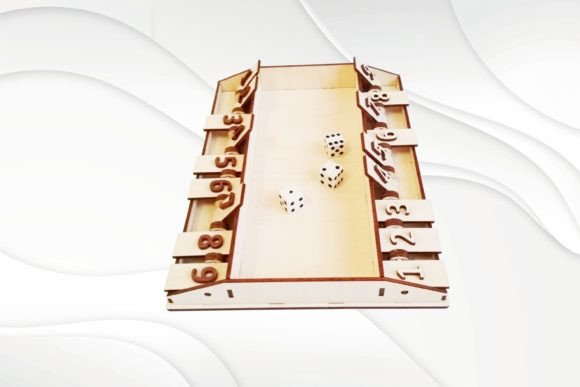
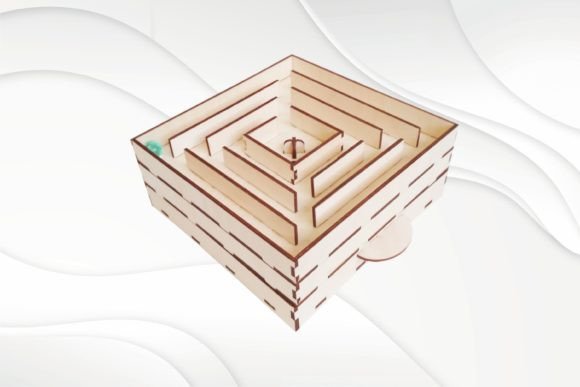
The Maze Game in 3 Floors, Design Laser Cut performs best when you let its structure speak. In listing images, I would use a mockup that shows the three floors stacked or laid out side by side. The visual hierarchy is clear: the maze paths draw the eye, and the layered floors add depth. For packaging design, the maze could be used as a cover graphic for a box or a game sleeve. The brand identity here is tactile, handmade, and slightly rustic, which pairs well with natural wood tones in product photos.
For social media promos, I would create a short video or carousel showing the assembly process. The engraving laser details catch light beautifully, and that organic texture translates well to video. It also helps build customer trust because buyers can see exactly what they will receive. The perceived value of a laser-cut game is higher than a purely digital file, and this asset reinforces that premium feel.
Practical Seller Notes: What to Test Before Publishing
Before you list this digital product, I recommend running a few tests. These are the same checks I use for every graphic design asset I sell:
- Test on real mockups: Place the SVG design into a mockup of a laser-cut board. Check how the three floors appear when scaled to actual game size. The maze paths should remain legible and not too thin for cutting.
- Preview as a marketplace thumbnail: On Etsy, your thumbnail is tiny. Does the maze read clearly at 200 pixels wide? If the floors blend together, consider adding a color tint or a drop shadow to separate them in the preview.
- Check on white and dark backgrounds: The cut drawing is typically black lines on a white background. Test how it looks on a dark wood or black substrate. If the contrast is weak, you may need to adjust the line weight or add a fill layer.
- Test print colors and PNG transparency: If you offer a PNG design version, verify that the transparency is clean and the edges are sharp. No buyer wants a stray white halo around their maze paths.
- Inspect SVG cut quality: Open the file in a cutting software like Cricut Design Space or LightBurn. Check that the paths are closed, the layers are grouped logically, and there are no stray nodes that could cause a bad cut. This is critical for Cricut projects and Glowforge svg files.
- Confirm file resolution: For sublimation designs or printable wall art, the resolution should be at least 300 DPI at the intended print size. If the file is vector-based, this is less of a concern, but check the raster previews if you include them.
- Organize files clearly for customers: Include separate folders for the laser cutting pattern, the engraving laser layer, and any instruction sheets. A well-organized download reduces support messages and increases reviews.
- Pair with the right font styles: If you add text to the maze or its packaging, experiment with a serif font for a classic game feel, a sans serif font for modern simplicity, a script font for a handmade touch, a handwritten font for a playful vibe, and a display font for a bold title. The maze itself is neutral enough to support multiple typographic personalities.
- Verify commercial licensing: Before selling finished products or including this asset in a design bundle, confirm that the commercial license covers your intended use. Some design assets restrict the number of sold items or require attribution. Read the fine print.
Where This Asset Works Best
From my experience, the Maze Game in 3 Floors, Design Laser Cut is strongest in these contexts:
- Large product previews: The maze detail shines when shown at a decent size. Use it as a hero image or a zoom-in detail shot.
- Themed bundles: Combine it with other puzzle or game assets for a design bundle that appeals to board game creators.
- Decorative layouts: The maze pattern works as a subtle background for packaging design or brand identity materials.
- Printable products: Posters, puzzles, and activity sheets for kids or adults.
- Merchandise graphics: T-shirts, mugs, totes, and tumbler wraps for game-themed merchandise.
- Social media promos: Carousel posts, story backgrounds, and pin graphics for Pinterest.
- Product mockups: Flat lay shots, wooden finish mockups, and assembly guides.
- Digital downloads: Standalone SVG design files for laser cutter owners.
- Creative marketplace listings: Etsy, Creative Fabrica, Design Bundles, and similar platforms.
Where to Use This Design Carefully
Not every product format is ideal for this asset. Here are some situations where I would proceed with caution:
- Tiny sticker details: If you shrink the maze to fit a small sticker, the paths may become too thin to cut or print clearly. Stick to larger sticker sizes or use a simplified version.
- Overly complex layouts: The three floors are already visually busy. Pairing them with heavy patterns or dense text can overwhelm the design. Keep the layout clean.
- Low-resolution print products: If you are printing on a low-DPI substrate, the fine lines of the cut drawing may blur. Test a sample first.
- Crowded thumbnails: In a small preview, the maze floors can blend together. Use a strong contrasting color or a white outline to separate them.
- Dark backgrounds with weak contrast: The engraving laser lines are typically fine and dark. On a very dark background, they may disappear. Adjust the line color or add a light fill.
- Text-heavy templates: If you are designing a Canva template with lots of text, the maze may compete for attention. Use it as a background element at reduced opacity.
- Products where clean cutting lines are critical: For Cricut projects or Silhouette cut files, double-check that the SVG design has no overlapping paths or open contours. A bad cut can ruin a physical product.
How This Asset Supports a Professional Product Collection
Building a consistent shop requires more than just one good file. The Maze Game in 3 Floors, Design Laser Cut can be a cornerstone for a board game themed collection. I would use it to create a series of products: a laser-cut game file, a printable puzzle poster, a t-shirt graphic, a mug design, and a social media template set. Each product would echo the same maze motif, creating a cohesive brand identity across my shop.
For small business branding, this asset communicates that you care about craftsmanship and detail. It is not a generic stock illustration. It is a purpose-built commercial design that feels personal and intentional. That kind of visual storytelling builds trust with buyers who are looking for unique, handmade-quality products.
In my testing, I found that the laser cutting pattern works well with a variety of design assets. I paired it with a rough wood texture, a clean sans serif font, and a subtle grid pattern for a mockup. The result was a product image that looked like it belonged in a high-end boutique, not just a generic download shop. That is the power of a well-chosen graphic design asset.
Final Thoughts for Digital Sellers
If you are a digital product creator looking for a laser cutting pattern that is ready to sell, the Maze Game in 3 Floors, Design Laser Cut is a strong candidate. It has a clear niche, a professional structure, and enough flexibility to be adapted across multiple product types. The board game angle is popular, and the three-floor concept adds a memorable twist that helps your listing stand out in a crowded creative marketplace.
My advice is to treat it as a premium asset. Test it thoroughly, pair it with strong product mockups, and organize your download files with care. Your customers will appreciate the attention to detail, and your shop will benefit from the perceived value of a well-executed commercial design. Whether you are selling on Etsy, Creative Fabrica, or your own site, this asset can help you build a more professional and cohesive product collection.