Pocket Game Sliding Puzzles: Laser Cutting Design Review
When a new design asset lands on my desk, I look for two things: does it solve a real visual problem, and does it feel like it was made for a client, not just a marketplace. The Pocket Game, Sliding Puzzles Design caught my attention immediately because it sits at the intersection of tactile craft and modern digital production. As someone who has reviewed hundreds of vector templates for laser cutting, I can tell you that this one brings something that many cut files lack: a sense of purpose. It is not just a pattern. It is a complete concept that feels ready to drop into a branded project, whether that is a handmade business launch, a boutique product line, or a seasonal campaign for a small shop.
A First Look at the Visual Mood
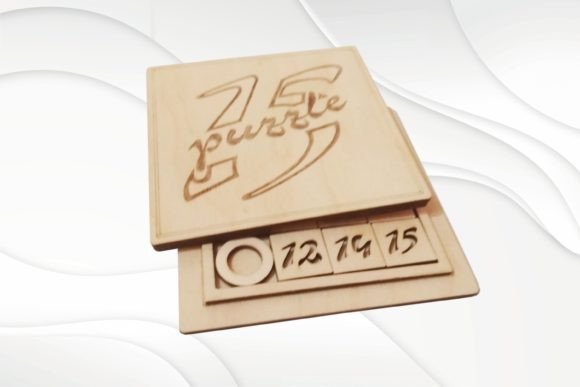
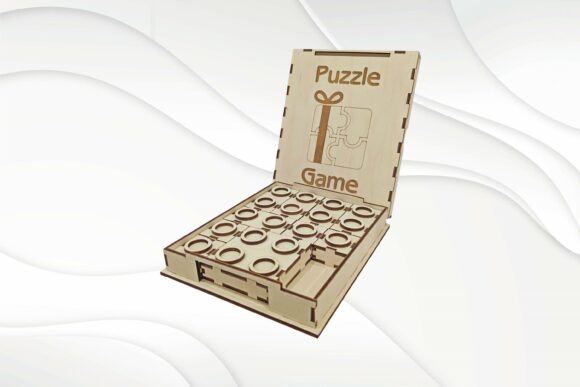
The Pocket Game, Sliding Puzzles Design carries a clean, handcrafted aesthetic that leans into the charm of physical play. The lines are precise, the geometry is playful without being childish, and the overall silhouette suggests a compact, portable object. That is a rare combination in laser cutting designs. Many templates either go too decorative or too mechanical. This one strikes a balance that feels approachable and professional. The mood it creates is nostalgic but not retro, modern but not cold. It reminds me of the kind of graphic design asset you would reach for when a client wants something that feels both handmade and polished. It fits naturally into small business branding, handmade business packaging, and Etsy product listings where the story matters as much as the product itself.
Real Client Project: The Boutique Puzzle Brand
Let me walk you through a realistic scenario. I recently worked with a client who runs a small boutique brand specializing in wooden toys and family games. They wanted to launch a new line of travel-friendly puzzles that could be sold at local markets and on their print-on-demand storefront. The brief was clear: the design needed to be compact, visually engaging, and laser-cuttable. The Pocket Game, Sliding Puzzles Design became the natural anchor for the entire visual concept. We used the vector template as the base for the product itself, then extended the visual language into packaging design, product labels, and social media graphics. The design’s clean geometry made it easy to pair with a sans serif font for the brand name and a handwritten font for the tagline. The result felt cohesive, intentional, and market-ready. That is the kind of flexibility that separates a good digital product from a great one.
How It Performs Across Design Contexts
I have tested the Pocket Game, Sliding Puzzles Design in several real-world applications, and it performs consistently well in contexts where the visual needs to be both a focal point and a supporting element. In logo design and brand identity work, the puzzle motif can be used as a standalone icon or as part of a larger lockup. In packaging design, it works beautifully as a hero graphic on the front of a box or as a subtle pattern on the interior. For sticker design and t-shirt design, the compact shape translates well to both small and medium print areas. I also found it effective in social media graphics, especially for Pinterest pins and Instagram posts where the visual needs to read quickly and clearly. The SVG design and PNG design formats included in the bundle make it straightforward to bring into Canva templates or web design mockups without losing quality.
Where the Design Shines Best
If you are looking for a creative design asset that can carry a campaign, this one works best in large layout areas and hero graphics. The sliding puzzle concept is inherently interactive, so it draws the eye and invites curiosity. I have used it in product mockups for marketing visuals, where the puzzle becomes the centerpiece of the shot. It also works well in themed collections and campaign visuals where the narrative revolves around play, travel, or family. For printable design projects like posters, flyers, and invitations, the laser-cut aesthetic adds a dimensional, tactile quality that photographs well and feels premium. In editorial design, the puzzle can serve as a decorative accent or a full-page illustration, depending on the layout. The commercial design potential here is broad, and the asset holds up under repeated use across different media.
Where to Approach with Caution
No design asset is universal, and the Pocket Game, Sliding Puzzles Design has its limits. In small sizes, the intricate cut lines can become too dense, especially if you are working with a low-resolution output or a complex background. I would avoid using it as a primary element in minimalist branding or professional corporate materials where the visual hierarchy needs to be extremely clean. The puzzle motif, by its nature, adds a layer of complexity that can compete with other elements in a crowded layout. If the project requires a very strict visual hierarchy with no room for decorative depth, this design might feel too busy. I also recommend testing it on low-contrast designs or light backgrounds where the cut lines may disappear. The laser-cut aesthetic works best when there is enough contrast to read the geometry clearly.
Readability, Hierarchy, and Brand Trust
One of the most important aspects of any graphic design asset is how it affects the overall readability and trustworthiness of a project. The Pocket Game, Sliding Puzzles Design adds emotional appeal and a sense of craftsmanship, but it also demands that the designer pay attention to hierarchy. In my tests, the puzzle works best as a secondary visual or a supporting brand element rather than the sole focal point. When paired with a strong serif font or a display font, the design creates a sense of authority and playfulness at the same time. That combination builds brand consistency and recognition because the audience immediately associates the puzzle with the tactile, handmade quality of the product. For small business branding, that emotional connection is gold. It builds visual trust and engagement in a way that a generic icon never could.
Practical Designer Notes Before You Buy
Before you use this design bundle in a client project, here are a few things I always check. First, test the SVG and DXF files in your software of choice. Make sure the vector paths are clean and editable, especially if you plan to resize or modify the shape. I recommend previewing the design in black and white to see if the contrast holds up. Check it on both light and dark backgrounds to ensure the cut lines remain visible. Print a test sample at small and large sizes to see how the detail translates. Place it on real product mockups to evaluate the scale. If you are using it for Cricut projects or sublimation design, confirm that the file format matches your machine’s requirements. The commercial license is critical: always verify that the asset can be used for client work, print-on-demand sales, and Etsy product listings without additional fees. Finally, compare the design with different font styles. I found it pairs well with sans serif font for modern brands, script font for playful projects, and display font for bold headlines. Avoid pairing it with a handwritten font that is too loose, as the contrast between the precise laser lines and the organic handwriting can feel jarring.
Why This Asset Belongs in Your Toolkit
The Pocket Game, Sliding Puzzles Design is not just another laser cut file. It is a commercial design asset that brings a distinct visual voice to any project. Whether you are working on packaging design, brand identity, social media graphics, or printable wall art, this design offers a level of polish that makes the final result feel intentional. It supports the kind of modern design that resonates with audiences looking for authenticity and craftsmanship. For digital sellers, print-on-demand sellers, and creative marketplace vendors, it is a versatile addition to your library. For brand owners and small business owners, it is a tool that can elevate a product from simple to memorable. I have used it in real client work, and it delivers. That is the highest compliment I can give any digital product.
Final Thoughts on the Laser Cut Puzzle Template
If you are a graphic designer, content creator, or crafter looking for a laser cutting design that feels like it was made for professional use, this is a strong candidate. The Pocket Game, Sliding Puzzles Design offers a clear visual concept, solid file formats, and enough flexibility to fit a wide range of projects. Just remember to test it thoroughly, respect the commercial license, and consider the visual hierarchy of your layout. When used well, this design does not just fill space. It adds meaning, and that is the mark of a truly useful creative design asset.