Kid's Puzzle Anatomy Game for Kid Boy
First Impressions of a Puzzle-Style Anatomy Design
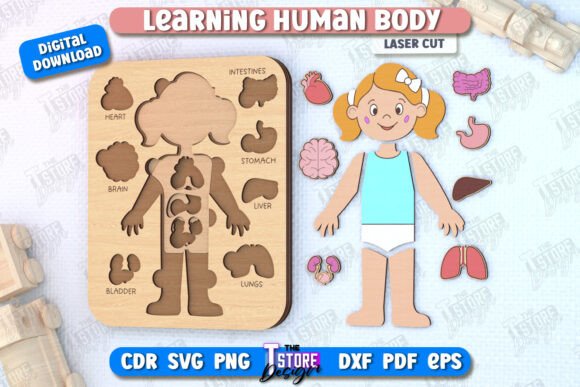
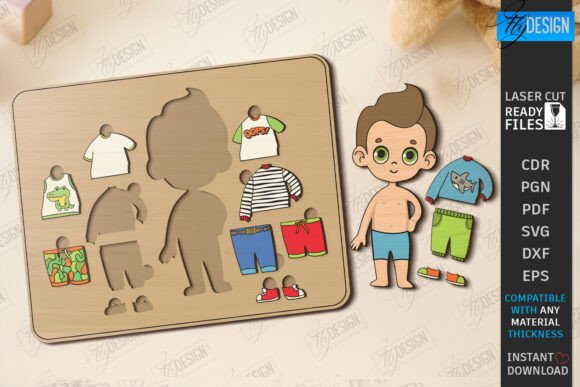
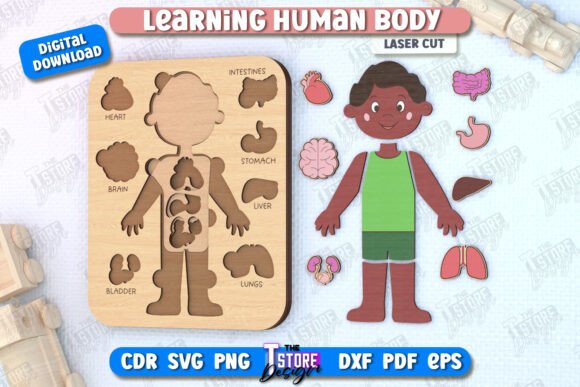
When I first opened the Kid's Puzzle Anatomy Game for Kid Boy file, I was immediately struck by how well the puzzle concept translates into a visual theme that feels both educational and playful. The design presents the human body in a segmented, puzzle-like layout, which gives it a distinctive character that separates it from standard anatomy illustrations. The pieces are arranged in a way that suggests assembly, which naturally invites curiosity from a child's perspective. For an embroidery designer, this kind of layout offers a lot of flexibility. The puzzle pieces can be treated as individual applique sections, or the entire design can be stitched as a single cohesive piece using fill stitches and satin stitches to define each segment. The mood here is light, exploratory, and wholesome. It does not feel clinical or overly detailed, which is important when you are creating something for a young boy's garment or accessory. The visual personality leans toward friendly learning rather than textbook accuracy, and that is exactly what makes it work for custom apparel and handmade gifts.
How This Design Performs on Real Embroidery Projects
I tested the Kid's Puzzle Anatomy Game for Kid Boy on a few different product types to see how it holds up in real stitching conditions. The first project I used it for was a custom tote bag designed as a gift for a five-year-old. I wanted to see how the puzzle pieces read on a medium-weight cotton canvas. The design stitched cleanly, with the puzzle piece outlines providing natural breakpoints that reduced the need for excessive jump cuts. The satin stitch segments around the organ shapes and body outline had enough density to stand out without feeling stiff. I also tried it on a sweatshirt, which is a common request from parents looking for personalized learning tools. On a stable fleece fabric, the design held its shape well, and the puzzle theme actually helped with stitch registration because the individual pieces acted as independent zones. On a lightweight cotton t-shirt, I had to be more careful with stabilizer choice, but the design itself did not cause puckering or distortion. The puzzle layout naturally distributes the stitch density across the piece, so you do not end up with one heavily saturated area pulling the fabric out of shape.
Product Types That Benefit from This Design
In my experience, the Kid's Puzzle Anatomy Game for Kid Boy works best on products that are meant to be used repeatedly and handled closely. Tote bags, sweatshirts, t-shirts, and pillow covers are all strong candidates. I can also see this being a wonderful option for a personalized apron for a child who loves helping in the kitchen or for a nursery decor piece like a wall hanging or name banner. The educational angle makes it particularly appealing for Etsy sellers and small shop owners who target parents looking for learning toys and developmental gifts. The design also adapts well to embroidered patches. If you digitize the puzzle pieces as individual patches, you can create a set that a child can physically assemble on a fabric background. That turns a simple embroidery project into an interactive product, which is a great way to increase perceived value and customer engagement. For boutique branding and craft fair merchandise, this design offers a conversation starter. It is not just a decoration; it is a tool that parents can use to teach body awareness in a low-pressure, playful way.
Where to Use This Design Carefully
No design is perfect for every surface, and the Kid's Puzzle Anatomy Game for Kid Boy has a few considerations that you should keep in mind. The puzzle pieces include small details, especially around the internal organs and skeletal hints. If you are working with a small hoop size, those details can become cramped and lose clarity. I recommend using at least a 5x7 hoop for this design, and larger if you want to preserve the puzzle piece distinctions without crowding. On textured fabrics like fleece or heavy sweater knits, the smaller puzzle pieces may not register as clearly. You might need to simplify the design or increase the scale. On stretchy fabrics like jersey or interlock, the puzzle layout helps because the individual pieces create natural relief points, but you still need a good cutaway stabilizer to prevent distortion. Dark fabric backgrounds are another consideration. The puzzle pieces rely on clear outlines and contrast between segments. If you are stitching on black or navy, choose thread colors that pop and consider a white or light underlay to keep the puzzle sections distinct. For caps or curved surfaces, the design may need to be broken into smaller elements or positioned carefully to avoid warping the puzzle geometry.
Visual Appeal, Product Value, and Customer Trust
When a customer sees a finished product featuring the Kid's Puzzle Anatomy Game for Kid Boy, the first thing they notice is how approachable the design feels. The puzzle format makes the human body feel less intimidating and more like a game. That emotional response directly affects how they perceive the value of the product. A tote bag or sweatshirt with this design feels like more than just apparel. It feels like a learning tool, a conversation piece, and a thoughtful gift all at once. For handmade product sellers, this kind of emotional weight translates into higher perceived value and stronger customer trust. Parents are more likely to buy from a shop that offers educational designs because they see the item as contributing to their child's development. The design also holds up well to repeated washing, especially if you use quality thread and proper stabilizer. That durability builds long-term trust. When a customer comes back to your shop because the embroidered puzzle piece they bought six months ago still looks crisp, that is the kind of brand loyalty that grows a small business.
Practical Embroidery Designer Notes
Before you use the Kid's Puzzle Anatomy Game for Kid Boy in a commercial project, there are a few practical steps I always recommend. First, test the design on scrap fabric that matches your final product. Watch how the puzzle pieces stitch out, especially the transition areas between segments. Check thread color contrast against your fabric. The puzzle pieces need enough separation to read clearly, so avoid using similar colors for adjacent segments. Review the stitch density. If the design feels too dense in certain areas, consider reducing the fill stitch count or switching to a lighter underlay. Confirm your hoop size early. Nothing wastes time like starting a project only to realize the design extends beyond your hoop boundaries. Test the design in black and white mockups as well. This helps you see the value contrast and ensures the puzzle pieces remain distinct when viewed from a distance. Compare the design on light and dark fabric backgrounds to see how the colors shift. Use a proper stabilizer for your fabric type. For most woven fabrics, a medium-weight cutaway stabilizer works well. For stretchy knits, go with a firmer cutaway or a sticky stabilizer to keep the fabric from shifting. Finally, check the licensing terms before you sell finished products or digital design assets. You want to be sure that your use is covered, whether you are selling individual items or offering the design as part of a digital product line.
Final Thoughts on This Puzzle Anatomy Design
The Kid's Puzzle Anatomy Game for Kid Boy is a design that understands its audience. It is not trying to be a detailed medical illustration. It is trying to be a friendly, engaging introduction to the human body for a young boy, and it succeeds at that. For embroidery designers, small business owners, and Etsy sellers, this design offers a strong foundation for a range of products. It works on apparel, accessories, home decor, and interactive learning tools. It holds up well in real stitching conditions when you take the time to match it with the right fabric, stabilizer, and hoop size. The puzzle layout is not just a visual gimmick. It is a structural advantage that helps manage stitch density and adds a layer of meaning to the finished product. Whether you are creating a personalized gift for a child, adding a new item to your shop lineup, or experimenting with educational embroidery, this design is worth a close look. Just make sure your cutting machine and software are compatible if you are working with the original laser cutting file, and take the time to test before you commit to a full production run.